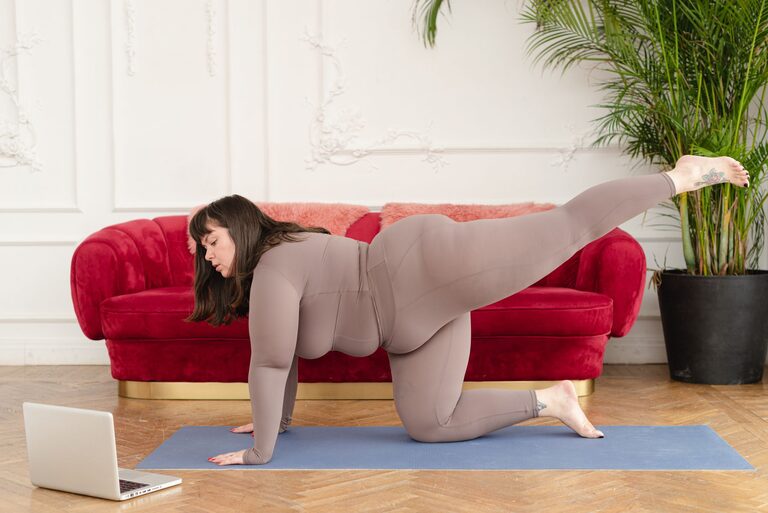

A fitness routine is easier to follow when it fits your life and includes activities you genuinely enjoy. You do not need to spend hours at the gym or follow a complicated plan to make steady progress. The best routine is one you can repeat, adjust, and look forward to most weeks.
Here is how to create a weekly fitness routine that feels practical, enjoyable, and sustainable.
Start With Activities You Like
Before planning your week, make a list of movement activities you enjoy or would like to try. Fitness can include much more than traditional gym workouts.
Consider options such as:
– Walking or hiking
– Dancing
– Cycling
– Swimming
– Bodyweight exercises
– Group fitness classes
– Yoga or stretching
– Recreational sports
– Strength training
– Short home workouts
Think about what you enjoy about each activity. You might like listening to music while walking, learning new skills in a class, or feeling stronger after a short strength session. These details can help you choose activities that are motivating for reasons beyond exercise itself.
If you are unsure what you like, try several options for a few weeks. Treat the process as exploration rather than a test. You do not have to commit to an activity simply because it is popular.
Choose a Realistic Schedule
A common mistake is creating a routine based on your ideal week instead of your actual schedule. A plan that requires daily workouts may sound motivating at first, but it can quickly become difficult to maintain.
Start by looking at your typical week. Identify:
– Days when you have more free time
– Busy periods that may require shorter workouts
– Times when you usually have the most energy
– Convenient places to exercise
– Activities already included in your schedule
Then choose a manageable number of workout days. For some people, this may mean three structured sessions each week. For others, it could include two workouts, several walks, and regular stretching.
Your starting routine should feel achievable, even during a busy week. You can always add more activity later.
Include Different Types of Movement
A well-rounded routine usually includes a mix of activities. Variety can keep exercise interesting and help you develop different skills.
Cardio Activities
Cardio activities raise your heart rate and can include walking, jogging, cycling, swimming, dancing, or active sports. Choose a pace and duration that match your current fitness level.
You can make cardio more enjoyable by:
– Listening to music or podcasts
– Exploring new walking routes
– Exercising with a friend
– Joining a recreational group
– Varying the pace or location
Strength Training
Strength workouts can include bodyweight exercises, resistance bands, free weights, or machines. Focus on basic movement patterns, such as squatting, pushing, pulling, and lifting.
Strength sessions do not need to be long. A simple workout with a few exercises can be a useful addition to your week. As you become more comfortable, you can gradually increase the challenge.
Mobility and Flexibility
Stretching and mobility work can help you move comfortably and add a slower, calming element to your routine. Try gentle stretching after a workout or set aside a separate session for yoga and mobility exercises.
These sessions can be especially appealing on days when you want to move but do not feel ready for an intense workout.
Create a Weekly Template
A simple template can give your week structure without making it feel rigid. Here is one example:
– Monday: Full-body strength workout
– Tuesday: Easy walk or recreational activity
– Wednesday: Rest or gentle stretching
– Thursday: Cardio workout
– Friday: Full-body strength workout
– Saturday: Outdoor activity or favorite sport
– Sunday: Rest and plan the week ahead
This is only a starting point. You can move sessions to different days, shorten workouts, or replace an activity when your schedule changes.
Try to avoid planning several demanding workouts in a row. Alternating more challenging sessions with easier movement or rest can make the routine feel more balanced.
Make Workouts Convenient
Convenience has a major effect on consistency. The easier it is to begin, the less effort it takes to follow your plan.
Use practical strategies such as:
– Keep workout clothes ready the night before
– Store equipment where you can see it
– Choose a gym or class near home or work
– Save a few short workout videos
– Add exercise to your calendar
– Pack walking shoes for the day
– Prepare a playlist you enjoy
You can also create backup options. If you planned a long gym session but cannot make it, take a brisk walk or complete a short home workout instead. A flexible replacement is often better than skipping movement completely.
Set Goals That Focus on Habits
Goals can provide direction, but they work best when they are specific and realistic. Instead of focusing only on results, set goals based on actions you can control.
Examples include:
– Move for 30 minutes three times this week
– Take a walk during lunch on two workdays
– Complete two strength sessions
– Try one new class this month
– Stretch for five minutes before bed
Habit-based goals create a clear target and allow you to notice progress even when changes are gradual. Once a routine feels comfortable, you can adjust the frequency, duration, or difficulty.
Keep Workouts Enjoyable
Enjoyment is not a bonus; it is an important part of staying consistent. Look for ways to make movement feel rewarding.
You might:
– Exercise with a friend
– Watch a favorite show while using a stationary bike
– Take workouts outdoors
– Try different music
– Join a beginner-friendly class
– Track completed sessions on a calendar
– Reward consistency with new workout gear or a relaxing activity
It can also help to separate exercise from perfection. Some workouts will feel energetic, while others may be slower or shorter. Both can be part of a healthy routine.
Plan for Busy and Low-Energy Days
A routine should include options for different energy levels. Create three versions of your workout:
– A full session for days when you have time and energy
– A shorter session for busy days
– A simple movement option for days when you need something gentle
For example, your full plan might be a 40-minute strength workout. The shorter version could include three exercises for 15 minutes. The gentle option might be a relaxed walk or a few minutes of stretching.
This approach helps you stay connected to the habit without forcing every workout to look the same.
Review Your Routine Each Week
Set aside a few minutes at the end of each week to review your plan. Ask yourself:
– Which activities did I enjoy?
– What felt difficult to schedule?
– Did I have enough variety?
– Were the workouts too long or too demanding?
– What would make next week easier?
Use your answers to make small changes. You might replace an activity you dislike, move workouts to different days, or add more rest. A routine should evolve as your schedule, interests, and priorities change.
Make Consistency the Main Goal
The most effective fitness routine is not necessarily the most intense one. It is the routine you can follow regularly while still enjoying your life.
Start with activities you like, choose a schedule that fits your week, and leave room for flexibility. When exercise feels convenient and rewarding, it becomes easier to maintain. Over time, those small, repeatable choices can turn movement into a natural part of your lifestyle.