
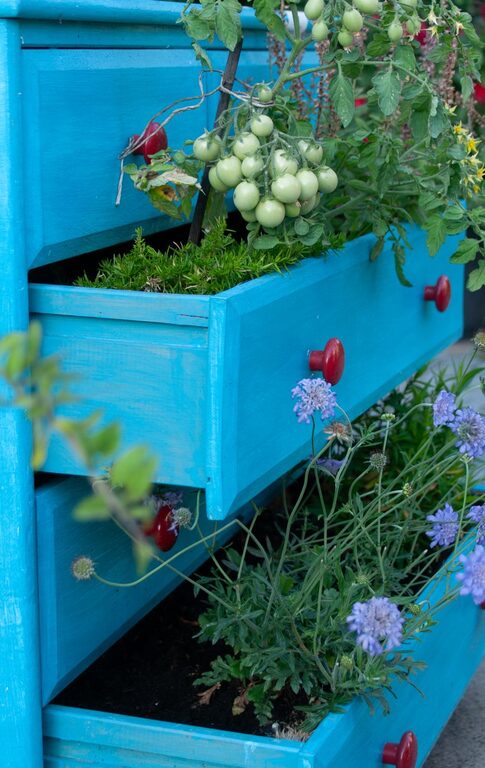
Small spaces can support much more than a few decorative pots. With the right projects, a balcony, patio, courtyard, or compact yard can become a productive garden that keeps you moving throughout the growing season.
The key is to choose tasks that involve regular care rather than setting everything up once and leaving it alone. Carrying soil, arranging containers, pruning plants, building supports, and harvesting fresh produce all add movement to your routine. These projects also make the most of limited space without requiring a large lawn or traditional garden plot.
Start With a Flexible Container Garden
Container gardening is one of the easiest ways to create an active growing space. Pots can be moved, rearranged, cleaned, and replanted as the seasons change.
Choose a mix of containers in different sizes. Large pots work well for tomatoes, peppers, eggplants, and small fruit trees. Medium containers are useful for herbs, lettuce, and flowers. Smaller pots can hold seedlings or plants that need special attention.
To keep the project engaging:
– Group plants by sunlight needs.
– Rotate containers every few weeks for an updated layout.
– Refill soil as it settles.
– Move plants into better light as the seasons change.
– Plant a few new herbs or flowers each month.
Use lightweight containers if you expect to rearrange them often. Place heavier pots on rolling plant caddies so you can shift them without lifting. Even with these conveniences, watering, pruning, and checking each plant gives you plenty of reasons to walk around your growing area.
Build a Vertical Herb Wall
A vertical herb garden adds growing space without taking up much floor area. It also creates a project that includes measuring, planting, watering, and trimming.
You can use a simple wooden frame, a wall-mounted planter, or a set of sturdy shelves. Another option is to attach small pots to a railing or fence, as long as the structure can safely support their weight.
Good herbs for a vertical setup include:
– Basil
– Parsley
– Chives
– Thyme
– Mint
– Oregano
– Cilantro
Arrange the herbs so plants that need frequent harvesting are easy to reach. Place taller plants at the top or back, and keep low-growing varieties in front. Once the wall is planted, regular trimming helps prevent plants from becoming crowded.
Harvesting a few leaves every day encourages you to visit the garden often. You can also refresh the display by replacing tired plants, adding seasonal herbs, or rearranging pots as they grow.
Create a Compact Salad Garden
A small salad garden can provide a steady stream of leafy greens while giving you a reason to sow and harvest in stages. Lettuce, arugula, spinach, mustard greens, and baby kale all grow well in containers.
Use several shallow boxes or window planters instead of one large container. Plant one box every week or two so the harvest does not arrive all at once. This approach creates a regular cycle of tasks:
- Fill a container with fresh potting mix.
- Sow seeds in rows or small sections.
- Water gently and check the seedlings.
- Thin crowded plants as they grow.
- Harvest outer leaves when they are ready.
- Replant the container after the harvest.
This type of garden keeps you moving between containers and makes it easy to notice changes from one day to the next. It also helps you practice small, repeatable tasks rather than tackling one large project at the beginning of the season.
Make a Trellis for Climbing Plants
Climbing plants add height and interest while using very little ground space. Beans, peas, cucumbers, and small flowering vines can grow on a trellis attached to a wall, fence, railing, or large container.
Building a trellis can be a simple weekend project. Use bamboo poles, wooden slats, garden netting, or strong twine. Make sure the structure is stable and tall enough for the variety you plan to grow.
Once the plants begin climbing, you will need to:
– Guide new stems toward the support.
– Tie loose growth with soft garden twine.
– Check for crowded leaves.
– Pick beans or cucumbers regularly.
– Trim plants that grow beyond the available space.
A trellis turns gardening into an ongoing activity. Instead of only watering at ground level, you will move around the container, inspect the structure, and reach in to harvest produce.
Design a Small Pollinator Corner
A pollinator-friendly corner can fit into a single large pot, a collection of small containers, or a narrow strip along a wall. Choose flowers with different heights, colors, and bloom times to create a changing display.
Compact options include marigolds, zinnias, lavender, salvia, cosmos, and native flowers suited to your area. Add a shallow dish of clean water with a few stones or pebbles for safe landing spots.
Maintaining this corner keeps you active through simple tasks such as:
– Deadheading finished blooms.
– Removing fallen leaves.
– Replacing seasonal flowers.
– Moving containers to improve sunlight.
– Cleaning and refilling the water dish.
Use plants with similar light and water needs in the same container. This makes care easier and helps the garden stay attractive without taking over your schedule.
Build a Mini Composting Station
Composting can turn kitchen scraps and garden waste into useful material for containers. A small countertop bin paired with a compact outdoor tumbler or covered compost container can work well for limited spaces.
Choose a system that fits your available area and follow the manufacturer’s instructions. Add suitable plant material, such as vegetable scraps, coffee grounds, dry leaves, and small amounts of untreated paper. Avoid adding meat, dairy, or heavily processed food unless your composting system specifically allows it.
A compost station creates regular hands-on tasks:
– Collecting suitable scraps.
– Adding dry and fresh materials.
– Turning a compost tumbler.
– Checking moisture.
– Removing finished compost.
– Mixing compost into containers.
The finished material can be added to potting mixes or used as a top dressing around plants. Keeping the system tidy is especially important in small spaces, so choose a container with a secure lid and place it where it is easy to access.
Try a Seedling Rotation Station
A seedling station is a useful project for gardeners who enjoy starting plants from seed. You only need a small table, shelf, or protected corner near a bright window.
Use trays or small pots to start herbs, flowers, and vegetables. Label each group with the plant name and sowing date. As seedlings grow, move them from the station to larger containers or outdoor spaces.
To keep the station active:
– Sow a few seeds every week.
– Check moisture each morning.
– Rotate trays for even growth.
– Separate crowded seedlings.
– Reuse clean pots and trays.
– Harden plants gradually before moving them outside.
This project turns gardening into a series of short daily activities. It also helps you fill empty containers throughout the season without purchasing every plant as a mature specimen.
Plan a Garden Path for More Movement
Even the smallest garden benefits from a clear path. Arrange containers so you can walk around them, reach every plant, and move safely between tasks.
A narrow patio might use a central walkway with containers along the edges. A balcony can have pots placed around the perimeter, leaving an open area in the middle. In a tiny yard, stepping stones or a simple gravel path can divide planting areas.
Keep watering cans, hand tools, gloves, and plant ties in an accessible storage box. When everything has a place, you are more likely to complete small gardening tasks regularly.
Small-space gardening does not need to be complicated. By combining containers, vertical supports, edible plants, flowers, composting, and seasonal rotations, you can create a garden that stays productive and inviting. The best projects are those that invite you to return often, work with your hands, and enjoy steady progress in even the smallest outdoor area.